
Challenges with Plastic Waste

Plastic waste poses significant environmental, social, and economic challenges.
Here are some key challenges associated with plastic waste:
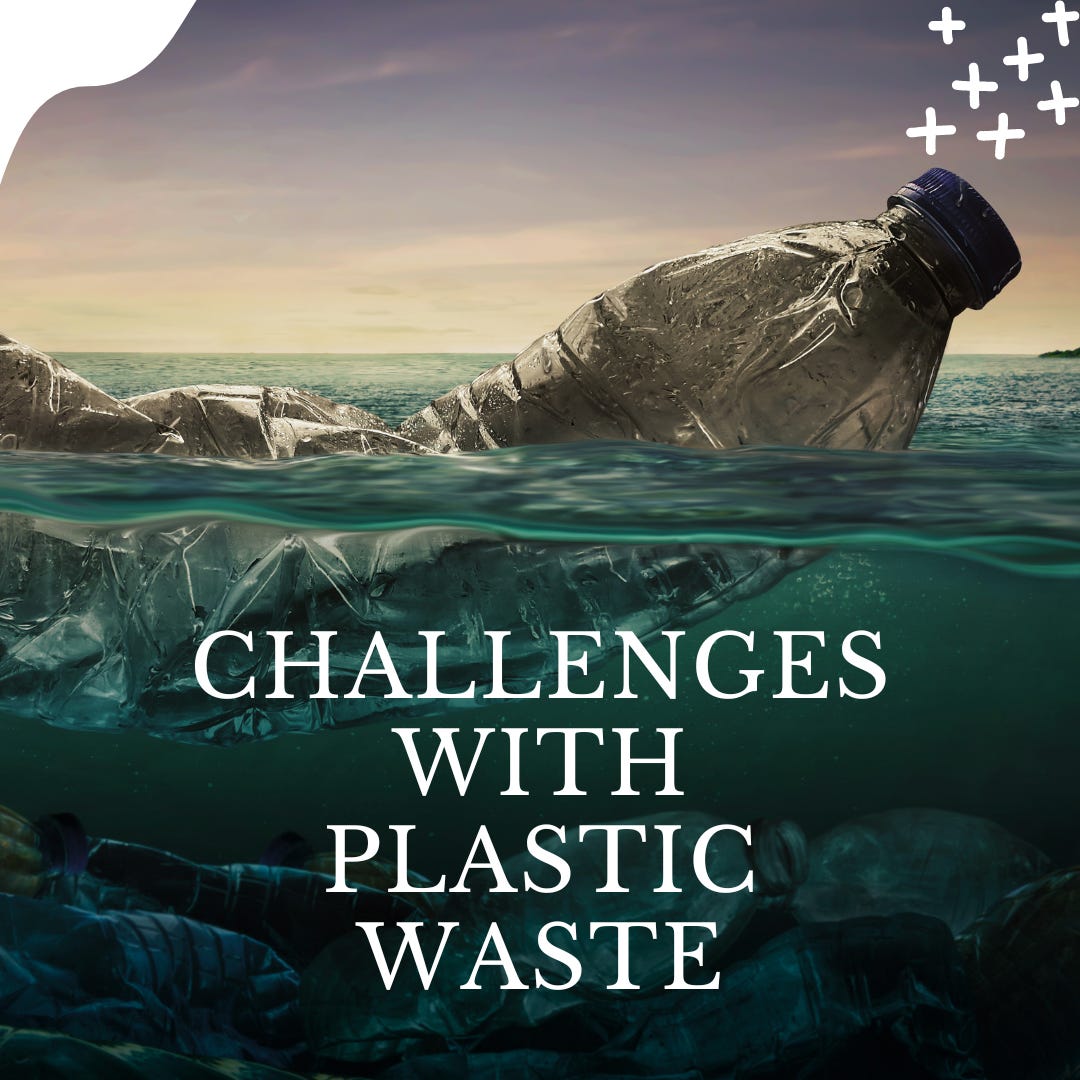
Environmental Pollution:
Plastic waste contributes to environmental pollution, especially in oceans and waterways. Improper disposal leads to the accumulation of plastic debris, harming marine life and ecosystems. Plastic pollution is a global environmental concern.
Long Decomposition Time:
Many plastics take hundreds of years to decompose, leading to long-term environmental impact. As plastic waste accumulates in landfills and oceans, it persists in the environment, affecting ecosystems for extended periods.
Microplastics:
Plastic items break down into smaller particles known as microplastics through physical and chemical processes. Microplastics pose threats to aquatic life and can enter the food chain, potentially impacting human health.
Resource Depletion:
The production of plastic requires the extraction of fossil fuels, contributing to resource depletion and environmental degradation. The finite nature of fossil fuels raises concerns about the sustainability of plastic production.
Health Risks:
Some plastic additives and chemicals used in the manufacturing process may pose health risks. The leaching of these substances from plastics into food, water, or the environment can have adverse effects on human health.
Landfill Overload:
Improper disposal of plastic waste leads to the overloading of landfills. As landfills reach capacity, they can release harmful substances into the soil and groundwater, impacting local ecosystems and communities.
Impact on Wildlife:
Wildlife, both terrestrial and aquatic, can suffer from ingestion or entanglement in plastic debris. The presence of plastic waste in natural habitats disrupts ecosystems and endangers the well-being of various species.
Greenhouse Gas Emissions:
The production, transportation, and disposal of plastics contribute to greenhouse gas emissions. The extraction and processing of fossil fuels for plastic production, as well as the incineration of plastics, release carbon dioxide and other pollutants into the atmosphere.
Lack of Recycling Infrastructure:
Inadequate recycling infrastructure in many regions hinders proper plastic waste management. Insufficient facilities and low recycling rates contribute to the accumulation of plastic waste in the environment.
Single-Use Culture:
The prevalence of single-use plastics, such as bags, bottles, and packaging, contributes significantly to plastic waste. The convenience and low cost of single-use items have led to their widespread use and disposal, exacerbating the plastic waste problem.
Global Trade in Plastic Waste:
The global trade in plastic waste, including the export of plastic waste to developing countries, raises ethical and environmental concerns. Improper disposal practices in destination countries can result in environmental and health hazards.
Challenges in Plastic Recycling:
While plastics are recyclable, challenges exist in recycling processes. Some types of plastics are harder to recycle, and contamination issues can reduce the quality of recycled materials. Limited market demand for recycled plastics can also hinder recycling efforts.
Addressing these challenges requires a comprehensive and collaborative approach involving governments, businesses, communities, and individuals to reduce plastic consumption, improve waste management practices, and promote sustainable alternatives.